

How Traditional 55-Gallon Drums Compare to Modern Alternatives
The 55 gallon drum has been a foundational component of industrial storage and transportation for decades. From manufacturing and chemical processing to agriculture and environmental services, businesses have relied on this standardized container to move, store, and protect bulk materials. The familiar sight of a steel drum stacked on pallets or a 55 gallon blue barrel lined up in a warehouse reflects just how deeply embedded these containers are in global supply chains.
However, the role of the 55 gallon drum is changing. Rising transportation costs, tighter safety standards, sustainability goals, and the need for greater efficiency are driving companies to reevaluate whether traditional drum designs still meet modern operational demands. As a result, many organizations are exploring advanced alternatives that deliver better performance without the drawbacks associated with legacy steel and plastic drums.
This page explores how traditional 55 gallon drums compare to modern alternatives by addressing some of the most common questions decision-makers ask today. Throughout, we’ll explain why GORILLA DRUM™ – The Original Steel Drum Alternative is increasingly viewed as the superior solution for forward-thinking operations.
The Enduring Role of the 55-Gallon Drum in Industry
The 55 gallon drum container became the industry standard largely because of its uniform size and versatility. Its dimensions allow it to integrate seamlessly with forklifts, pallet systems, drum dollies, pumps, and transport equipment worldwide. As both storage drums and shipping drums, these containers support efficient handling and predictable logistics.
Traditional 55 gallon drums are widely used for:
- Chemicals and solvents
- Oils, lubricants, and fuels
- Food ingredients and additives
- Industrial waste and byproducts
- Agricultural materials
- Environmental cleanup and remediation
Steel drums historically dominated rugged applications where impact resistance and stacking strength were critical. Industrial plastic drums later gained popularity for their corrosion resistance and lighter weight, often appearing as the familiar 55 gallon blue barrel. While both options have served industry well, their limitations have become more apparent as operational expectations evolve.
How Many Pounds Will Fit in a 55 Gallon Drum?
One of the most common questions asked by those researching 55 gallon barrels for sale is how much material a drum can actually hold. The answer depends on several factors, including the type of material, its density, and the drum’s construction.
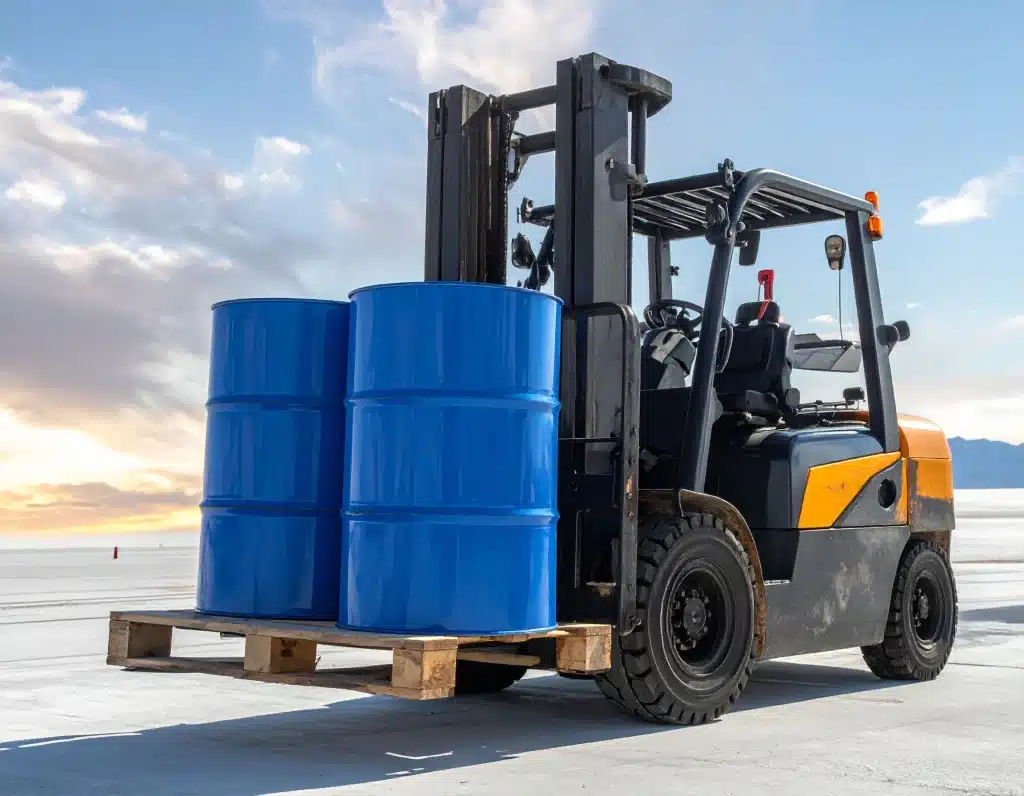
Weight Capacity vs. Volume
A 55 gallon drum refers to volume, not weight. Fifty-five gallons of water weighs approximately 460 pounds. However, industrial materials vary widely in density:
- Light liquids or powders may weigh significantly less than water
- Oils, syrups, or dense chemicals may weigh more
- Solid materials can vary dramatically depending on composition
A typical 55 gallon steel drum is often rated to handle gross weights in the range of 800 to 1,000 pounds when properly designed and used. Industrial plastic drums may have lower or comparable ratings depending on wall thickness and design.
Practical Considerations Beyond Weight
While traditional drums may technically handle high weights, real-world performance tells a more nuanced story. Heavier contents increase strain on the drum walls, seams, and base—especially during handling and transport. Repeated lifting, stacking, and movement can accelerate wear or lead to failures, particularly in plastic drums that may deform under load.
GORILLA DRUM™ is engineered with these realities in mind. As the original steel drum alternative, it is designed to support demanding industrial loads while reducing unnecessary container weight. This optimized balance helps ensure that heavy contents can be stored and shipped with greater confidence, consistency, and safety compared to traditional designs.
Why Are More Companies Replacing Traditional Drums?
Across nearly every industrial sector, organizations are reassessing long-standing equipment and infrastructure choices, including the storage drums and shipping drums that support daily operations. The move away from traditional steel and plastic drums is not a passing trend or a matter of preference—it is a response to measurable operational challenges that affect cost, safety, efficiency, and long-term performance.
As supply chains become more complex and competitive pressures increase, businesses are seeking drum solutions that align with modern operational realities. Traditional drum designs, while familiar, were developed decades ago and often struggle to meet today’s expectations. This has led many companies to replace legacy drums with modern alternatives such as GORILLA DRUM™ – The Original Steel Drum Alternative.
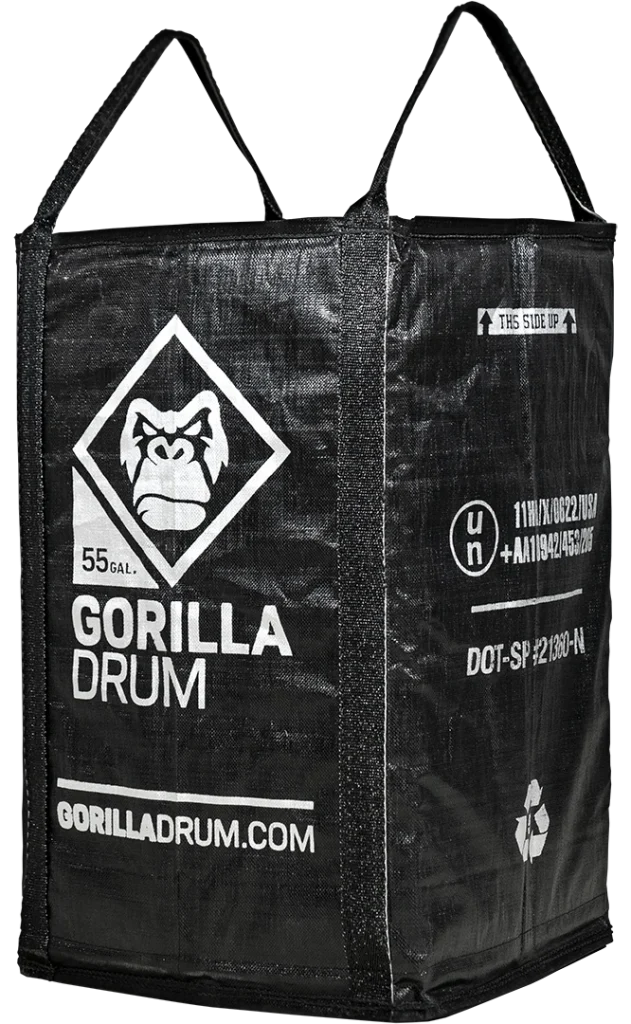
Weight and Transportation Costs
One of the most immediate drivers behind this shift is transportation cost. Steel drums are extremely heavy even before they are filled. The weight of an empty 55 gallon steel drum adds significantly to total shipment weight, increasing freight costs, fuel consumption, and carbon footprint. When multiplied across dozens or hundreds of drums per shipment, these costs become substantial.
Heavy containers also reduce handling efficiency. More weight means greater strain on forklifts, pallet systems, and transport equipment, leading to higher maintenance costs and slower movement through facilities. As shipping expenses continue to rise, the cost penalty associated with heavy steel drums becomes harder to justify.
Industrial plastic drums offer some relief by reducing container weight, but they often introduce new challenges. Plastic drums can crack, warp, or fail during transport, especially when exposed to repeated impacts, temperature extremes, or heavy contents. These failures can result in product loss, cleanup costs, regulatory exposure, and safety incidents—costs that quickly outweigh the initial savings.
GORILLA DRUM™ addresses both issues by delivering strength comparable to a steel drum without excessive weight. This optimized design allows organizations to reduce transportation costs while maintaining reliable performance, even in demanding shipping environments. The result is a more efficient logistics process with fewer surprises and lower overall risk.
Worker Safety and Handling
Worker safety is another major factor driving companies away from traditional drums. Manual handling of steel drums increases the risk of strain, fatigue, and injury due to their weight and rigidity. Even with mechanical assistance, heavy drums can be difficult to maneuver safely in tight spaces or during loading and unloading.
Plastic drums may be easier to lift, but their structural limitations introduce different safety concerns. A cracked or weakened plastic drum can fail unexpectedly during lifting or movement, creating spill hazards and exposing workers to potentially dangerous materials.
Modern operations place a high value on ergonomics, predictability, and injury prevention. Gorilla Drum™ supports these priorities by improving the strength-to-weight balance and maintaining structural integrity during handling. Its design helps reduce physical strain while providing consistent performance, enabling safer workflows and more predictable handling outcomes across facilities.
Durability and Replacement Frequency
Durability directly impacts operating costs and operational continuity. Traditional drums often require frequent replacement or reconditioning. Steel drums can dent, rust, or corrode over time, particularly in harsh or outdoor environments. Once compromised, their reliability decreases, increasing the risk of leaks or failures.
Industrial plastic drums may degrade faster under repeated use, especially when exposed to UV light, heavy loads, or extreme temperatures. Cracks and deformation can shorten service life and lead to unplanned replacements.
GORILLA DRUM™ is designed for repeated use in real-world industrial conditions. Its long service life reduces the need for frequent replacements, minimizes downtime, and lowers overall container spend. Fewer failures mean fewer disruptions, improved inventory predictability, and better use of operational resources.
Sustainability and Efficiency Goals
Sustainability is no longer optional for many organizations. Reducing waste, improving reuse, and optimizing logistics are key components of corporate responsibility initiatives. Traditional drum systems often work against these goals.
Empty drum returns consume the same amount of transportation and storage space as full ones, creating inefficiencies and unnecessary emissions. Frequent drum replacement adds to material waste and disposal challenges.
Modern drum alternatives like Gorilla Drum™ are designed with efficiency and reuse in mind. Their durability supports longer lifecycles, reducing waste and material consumption. Improved logistics efficiency helps organizations move closer to sustainability targets without compromising performance or safety.
For many companies, replacing traditional drums is a strategic decision driven by data, not habit. Gorilla Drum™ provides a modern solution that addresses the real challenges industrial operations face today—making it a clear choice for organizations focused on efficiency, safety, and long-term value.
Are Modern Drum Alternatives More Cost-Efficient?
When organizations first evaluate 55 gallon barrels for sale, traditional steel and plastic drums may seem like the most cost-effective choice based on upfront unit price. A steel drum or a 55 gallon blue barrel may appear affordable when purchased in bulk, and their widespread availability reinforces the perception that they are the default, economical solution for industrial storage and shipping. However, modern purchasing decisions increasingly prioritize total cost of ownership rather than the sticker price. Evaluating drums solely on initial cost can obscure the hidden operational expenses that accumulate over time, making modern drum alternatives a more financially savvy choice.
The True Cost of Traditional Drums
Traditional storage drums and shipping drums carry a variety of costs beyond the initial purchase. These costs can be broken down into several key areas:
1. Freight Costs Influenced by Container Weight
Steel drums are extremely heavy, even when empty, and this weight is compounded once they are filled with industrial liquids, solids, or powders. Heavier containers increase shipping expenses, fuel consumption, and labor costs associated with moving and handling them. Plastic drums may reduce weight, but they still add to overall freight costs when compared to optimized alternatives like Gorilla Drum™.
2. Replacement and Reconditioning Expenses
Steel drums can dent, rust, or corrode over time, necessitating costly repairs or replacements. Plastic drums may degrade faster in demanding industrial environments, especially under repeated impact, temperature extremes, or prolonged outdoor exposure. These replacement cycles contribute to unplanned expenses and disrupt operational efficiency.
3. Product Loss Due to Drum Failure
When a drum fails—whether it cracks, warps, or leaks—the cost extends beyond the container itself. Lost product, cleanup costs, and potential regulatory penalties for hazardous or sensitive materials can significantly increase overall expenses. Durability and reliability are crucial factors in avoiding these hidden losses.
4. Labor and Safety Costs Related to Handling
Handling heavy steel drums increases the risk of worker strain, fatigue, or injury. Even plastic drums, which are lighter, can present safety hazards if they fail during movement. Labor costs associated with safe handling procedures, incident response, and injury mitigation can add substantially to total cost.
5. Storage and Logistics Inefficiencies
Traditional drums take up the same storage footprint whether they are full or empty. Repetitive handling, inefficient stacking, and inefficient return logistics can drive additional costs and reduce operational efficiency. Over time, these hidden inefficiencies magnify the expense of using conventional drums.
The Cost Advantage of GORILLA DRUM™
GORILLA DRUM™ is designed to address these hidden costs and reduce total cost of ownership across the drum’s lifecycle. By delivering strength comparable to a steel drum without the excessive weight, Gorilla Drum™ lowers freight and handling expenses. Its durability ensures fewer replacements and less downtime, minimizing operational disruptions. Unlike many plastic drums, Gorilla Drum™ maintains structural integrity even under repeated handling, extreme temperatures, and heavy loads, reducing product loss and associated cleanup costs.
In addition to durability and strength, Gorilla Drum™ is optimized for efficient shipping, storage, and reuse. Its uniform shape and design support stable stacking and easier handling, allowing organizations to maximize warehouse space, reduce labor strain, and improve logistics efficiency. Over time, these operational advantages translate into significant financial savings.
For companies evaluating 55 gallon drum containers strictly on purchase price, modern alternatives like Gorilla Drum™ may initially appear more expensive. However, when factoring in the true cost of transportation, replacement, product loss, labor, and storage inefficiencies, Gorilla Drum™ often emerges as the more cost-efficient choice over the long term.
By prioritizing total cost of ownership and operational performance, modern drum alternatives help organizations achieve predictable expenses, improved workflow efficiency, and greater return on investment. Gorilla Drum™ exemplifies this approach, providing a smarter, safer, and more economical solution for today’s industrial storage and shipping needs.
Traditional Drums vs. GORILLA DRUM™: A Practical Comparison
Traditional steel and plastic drums are based on decades-old design assumptions. Gorilla Drum™ represents a purpose-built evolution designed to meet today’s operational demands.
Key performance advantages include:
- Strength without unnecessary weight
- Impact resistance exceeding typical industrial plastic drums
- Long service life in demanding environments
- Improved shipping and handling efficiency
Rather than choosing between a heavy steel drum or a vulnerable plastic barrel, Gorilla Drum™ delivers a balanced solution engineered for modern industry.
A Broader Perspective on Industrial Drum Solutions
For a deeper exploration of how drum technology is evolving and what to consider when selecting the right solution, see our
Essential Guide to 55-Gallon and Industrial Drum Solutions.
This resource expands on the performance, efficiency, and strategic considerations shaping the future of industrial drums.
Why GORILLA DRUM™ Is the Smarter Choice Going Forward
Industries that rely on storage drums and shipping drums face increasing pressure to improve efficiency, safety, and sustainability. Legacy drum designs were not created with these priorities in mind.
GORILLA DRUM™ represents a forward-looking approach as The Original Steel Drum Alternative. It delivers:
- Strength without excessive weight
- Durability without corrosion
- Efficiency without compromise
For organizations researching 55 gallon barrels for sale, the smartest investment is not simply another steel drum or plastic container. It is a solution engineered for performance across the full lifecycle of use.
If you are evaluating alternatives to traditional 55 gallon drums and want a solution designed for modern industrial demands, Gorilla Drum™ is ready to help. Call 800-758-8079 to speak with a drum solutions expert today, or submit our online form below to download the Gorilla Drum Case Study and learn how GORILLA DRUM™ can transform your storage and shipping operations.

DOWNLOAD THE CASE STUDY
THIS IS JUST THE BEGINNING OF THE GORILLA DRUM™ STORY
Download the case study to get the full scoop.